
CID searches flat at Kalighat linked to Mamata Banerjee's relative
.gif)

Download Mobile App 






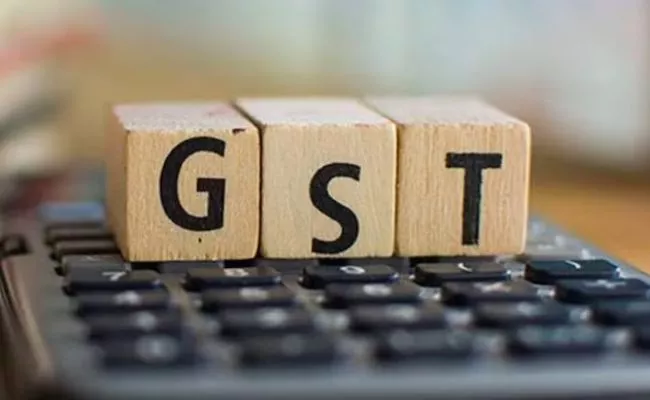
In a landmark decision aimed at simplifying the tax structure and providing relief to consumers, the GST Council, led by Finance Minister Nirmala Sitharaman, has approved a major rationalization of GST rates. The Council, in its 56th meeting, has abolished the existing 12 per cent and 28 per cent slabs and introduced a new two-tier structure with rates of 5 per cent and 18 per cent. This significant reform is set to take effect from September 22, and is expected to have a profound impact on a wide range of goods and services, from daily necessities to luxury items.
The Finance Minister emphasized that the primary focus of these reforms is the common man, with a specific effort to reduce the tax burden on everyday items. According to the new structure, a massive 175 items of mass consumption, including essentials like milk, paneer, snacks, and various types of bread, will become cheaper. Many of these items, such as UHT milk and Indian breads, will now be exempt from GST entirely, providing direct relief to households.
In a move set to benefit millions, a large number of goods currently taxed at 12 per cent will be moved to the lower 5 per cent bracket. This includes spectacles, natural menthol, fertilisers, and a variety of handicraft products. The decision also aims to support labor-intensive industries like marble and granite, which will now see a significant reduction in their tax rates, fostering economic growth and employment. Additionally, 33 life-saving drugs have been brought down from the 12% to the nil category.
The most significant change is the overhaul of the 28 per cent slab. A staggering 90 per cent of goods previously in this bracket, including air-conditioning machines, televisions, dishwashing machines, and cement, will now be taxed at 18 per cent. Automobiles like small cars, buses, and auto parts will also move to this lower slab. The move is designed to make a wide range of products more affordable for the middle class and to stimulate demand in key sectors of the economy.
While many items will become cheaper, the GST Council has also introduced a new 40 per cent slab for sin and super luxury goods. This higher tax rate will be applied to products like paan masala, tobacco, cigarettes, bidis, aerated drinks, and high-end luxury items such as motorcycles over 350 cc, yachts, and helicopters. This decision reflects the government's policy of keeping taxes low on essentials while raising them on non-essential and harmful products.
Adding another layer to the reforms, the GST on paan masala and tobacco will now be levied on the retail sale price, rather than the wholesale value. This is expected to curb tax evasion and ensure a more transparent collection process. Overall, the restructuring is seen as a consumer-friendly and growth-oriented step, aiming to simplify the GST framework and provide a much-needed boost to the economy.





.webp)


.webp)

 West Bengal
 Bihar
Bihar Uttar Pradesh
 Jharkhand